Ultimate Guide: What is June Plum Fruit (Ambarella)

This week, Jamaican Foods and Recipes features the exotic tropical June Plum fruit, also known as Ambarella. Learn more about what type of fruit this is, the different ways to eat it, where it’s from, and its amazing health benefits as you read on.
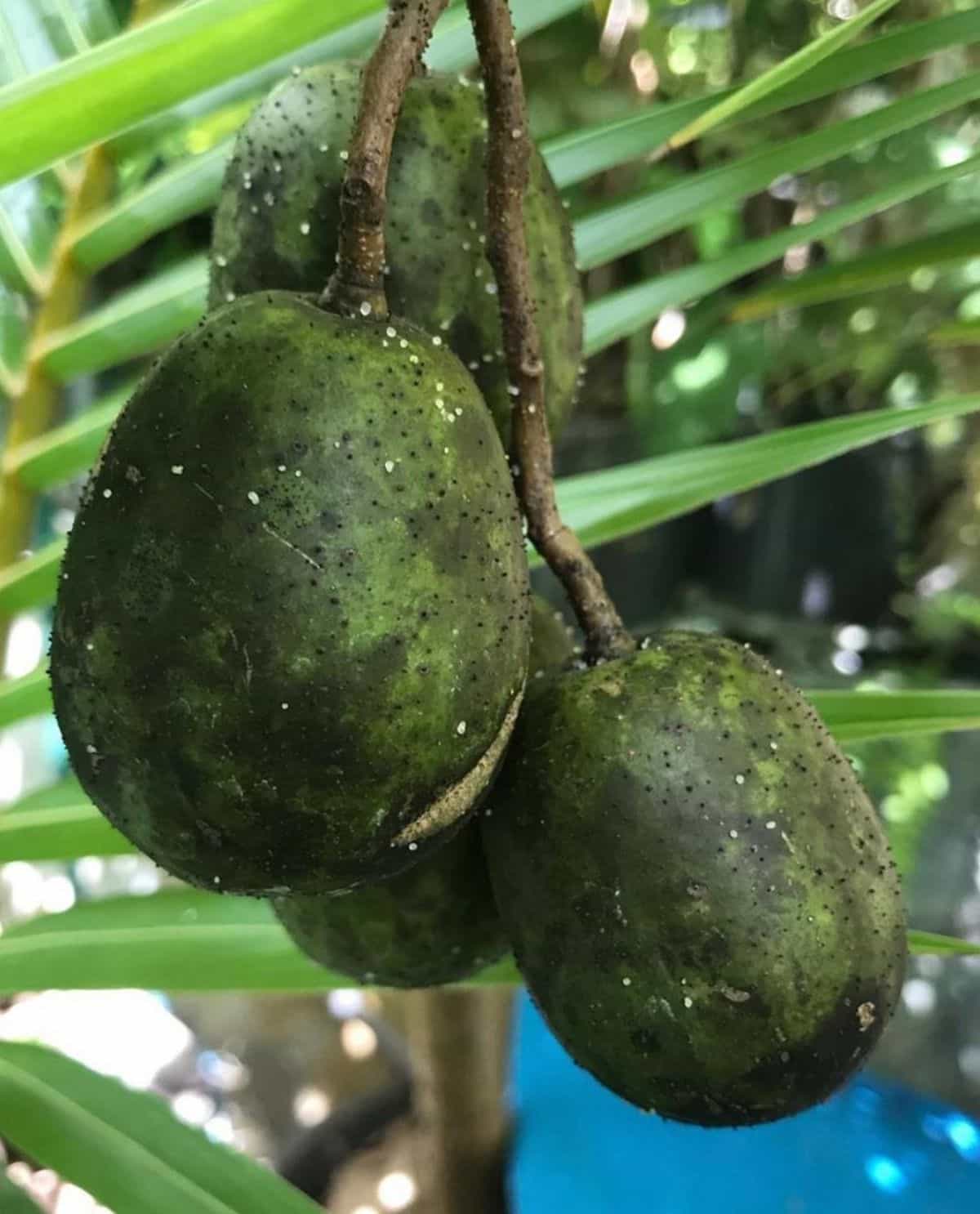
June plum (Ambarella) fruit
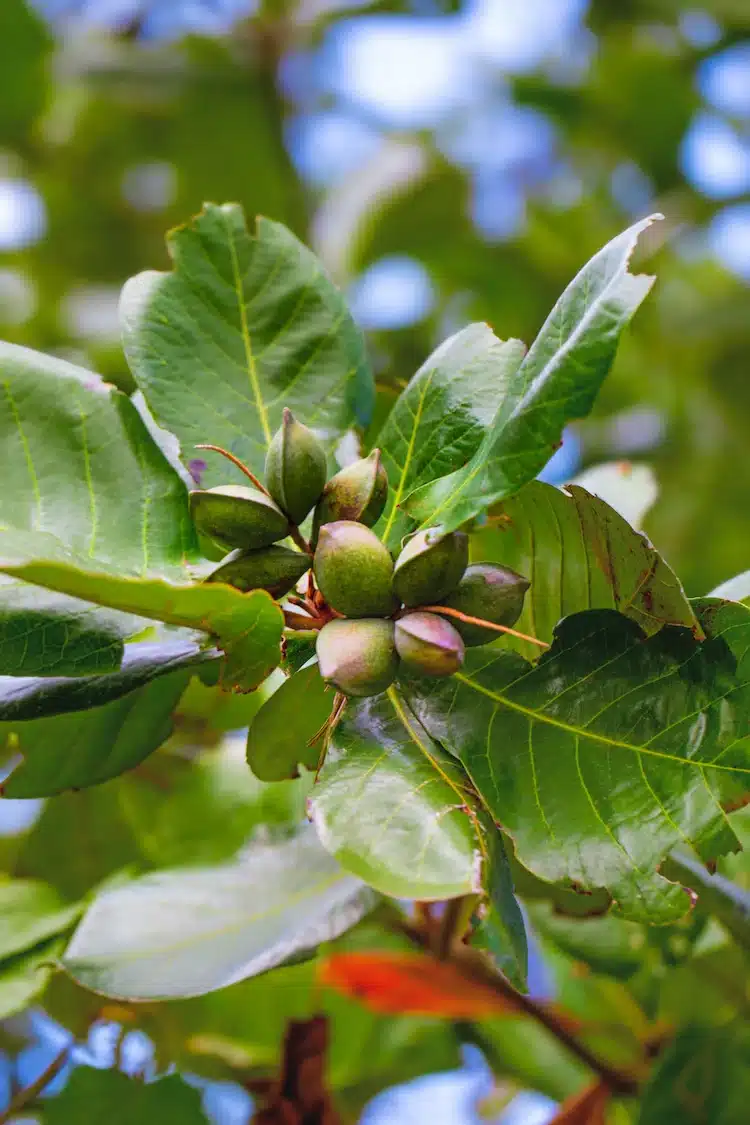
June plum, also called Ambarella, comes from South Asia and Polynesia. It arrived in Jamaica in 1782 and quickly thrived in the island’s warm, tropical climate. This fast-growing tree can reach up to 60 feet tall and soon spread across other regions the Caribbean, as well as parts of Central and South America. The fruit grows in clusters, and people have since found plenty of ways to enjoy it, from eating them as a fresh snack, in drinks, and in a variety of everyday recipes.
Like others, there are times I have confused this oval shaped tropical fruit which turns from green to yellow when ripened for a type of mango because of its appearance. It is, however, related to the mango fruit, along with the cashew and pistachio plants.
June Plum is also in the Hog Plum family, but they are different. Although both are oval shaped, the June Plum fruit is larger, firm and crunchy while the Hog Plum is smaller like the size of a plum and is much softer when ripe. The Hog Plum can be yellow or red when mature, and has a large hard seed, unlike the spiny seed of the June Plum. It is also known as Jobo or Yellow Mombin.
At times, there is also some confusion between the June Plum and the Jamaican Otaheite Apple. But they too are different tropical fruits. Otaheite Apple is pear-shaped with a dark red skin and white flesh.

What are the different names for the June Plum Fruit?
Jamaica is one of the few countries which calls the fruit June Plum. The botanical name for the fruit is Ambarella, while the scientific name is Spondias dulcis.
Other Caribbean countries call it different names. In Trinidad and Tobago, this fruit is known as Pommecythere, while in Grenada, Barbados and Guyana it is called Golden Apple. And, in the Dominican Republic it is called Mazana de Oro. It is Jew Plum in some other islands in the Caribbean.
In Asia, the June Plum fruit is known by several names. It is called Kedondong or Buah Long Long in Malaysia and Singapore, Ambad or Hog Plum in India, and Vī or Wī Apple in Polynesia.
When is June plum season in Jamaica?
June Plum season in Jamaica usually goes from September to January, but the greatest harvest is in the months of October and November. However, some plants can produce fruit throughout the year, maybe because Jamaica’s humid, warm climate with lots of sunshine provides the perfect environment for the June Plum tree to thrive. It is very fortunate if a June Plum tree is in season all year long in order to enjoy its many uses and benefits.

The ways to enjoy June plum
June Plum is a tart tasting fruit which can be sour and crunchy when not fully matured, but softer and sweet when ripened. Personally, I like it when it is fully matured because I can peel off the skin and then bite into a sweet and juicy fruit.
The June Plum fruit is fibrous with a spiky seed in the middle, so be careful when you eat it. Nevertheless, it is great for making juice. June Plum juice blended with the fruit, along with ginger and sugar is a favourite drink in Jamaica. It is definitely one of my preferred Jamaican drinks because of its refreshing taste. And a plus, is that it leaves me feeling energized.
Jamaica also has a delicious, stewed June Plum recipe. Green June Plums are cooked with brown sugar, and spices like cinnamon and pimento until it is caramelised. This is a sweet, savoury dish that is a delight for many.
While on the other side of the Caribbean, the Trinidadians have another tasty June Plum recipe which they call Pommecythere chow. It is pickled with salt, lime juice, garlic, chadon beni (culantro, also known as spirit weed in Jamaica), and hot pepper.
June plum shines as a versatile, flavour-packed ingredient in both sweet and savoury dishes. Turn it into vibrant marmalades, jellies, jams, or preserves to spread over toasted bread or crisp crackers. In other Caribbean countries like Trinidad and Tobago, people use June plum to make a tangy chutney, creating a bold dip or condiment that adds a burst of flavour to any meal. You can also toss fresh June plum into stews, soups, and salads to add a bright, refreshing twist and a boost of natural goodness. It is very common here in Jamaican to eat the fruit as it is or add sugar or salt and black pepper.
The June Plum fruit is a must have the next time it is in season. Enjoy it in stews, preserves, a delightful drink or eat it raw to obtain all the benefits of this nutritious fruit.

Nutritional and health benefits of June plum
The June Plum or Ambarella fruit has many health benefits. These are just some of the nutritional facts for June Plum. The fruit contains protein, carbohydrate, iron, phosphorus, sodium, potassium, calcium, fibre and Vitamins A, B and C.
June plum delivers a powerful nutritional boost, thanks to its rich vitamin C content, which enhances iron absorption and supports the production of healthy red blood cells—helping to combat anaemia. It also promotes better circulation by helping to break down blood clots linked to heart attacks and strokes. Beyond that, this vibrant fruit offers natural anti-inflammatory and antimicrobial benefits, supporting gut health and easing digestive issues. Its high fibre content further aids digestion, making June plum a smart, health-forward addition to your diet.
Being a good source of potassium, June Plum helps to manage high blood pressure as it balances sodium and aids in the relaxation of blood vessel walls. It is also a mild diuretic which assists in lowering hypertension.
Another fabulous benefit of June plum is that it is rich in Vitamin A which aids in maintaining healthy eyes.
In addition, the phosphorus and calcium in June Plum promote strong bones and teeth.
Not only is the June Plum fruit low in fat and a nutritious snack, but its leaves can also be quite beneficial. Both the June Plum fruit and leaves have natural antioxidants that boosts the immune system. Without a doubt. June Plum is great tasting and highly nutritional.
Explore More Jamaican Fruits
Let’s stay connected! Find me on: Pinterest, Facebook Instagram, Also subscribe to my newsletter for recipe updates!
Disclaimer: The information provided in this blog is for educational and informational purposes only. It is not intended as a substitute for professional advice, diagnosis or treatment. Please consult a certified medical and/or nutrition professional for any questions. Relying on any information provided in this blog is solely at your own risk, and Jamaican Foods And Recipes is not responsible for any effects or consequences resulting from the use of the information shared.